
Choosing your puppy

Choosing a puppy is exciting — but selecting the right breed and temperament for your lifestyle is essential for future harmony. Your new puppy is a long-term commitment. Whether it’s your first puppy, or you’ve many years experience with dogs and breeds, there are some important points to consider.

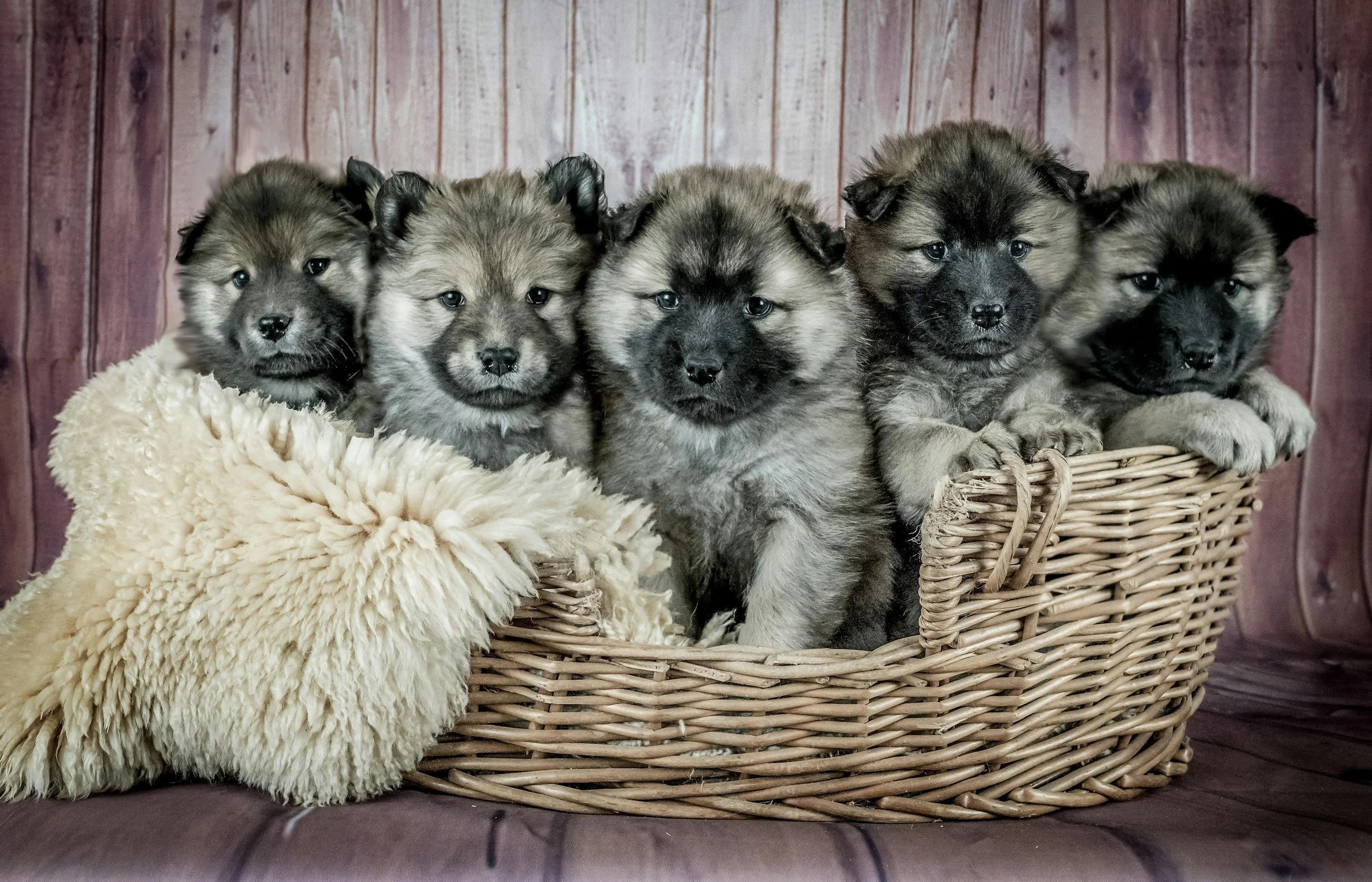
Why it matters…

Bringing home a puppy is one of life’s brightest moments — the tiny paws, the wiggly excitement, the promise of years of companionship. But behind the cuteness lies an important reality - the puppy you choose today becomes the adult dog you’ll share your life with tomorrow.
The foundation of a great relationship starts long before training sessions begin. It starts with choosing a puppy whose breed traits and needs match your lifestyle.
Start With Your Lifestyle
(Not Your Wishlist)
Before you fall in love with those irresistible puppy eyes, take a step back and reflect on what your day-to-day life really looks like.
Ask yourself:
How active am I, honestly?
How much space do I have I the house and garden?
How many hours a day will the puppy be left alone?
How much time do I have to train and play with my puppy?
Do I enjoy grooming or prefer low-maintenance coats?
What kind of environment do I live in — quiet, busy, urban, rural?
Who will the dog be in contact with?
Your answers should influence which breed or breed type may suit you best.
Understand Breed Traits (Beyond the Stereotypes)
Breed labels and stereotypes can be misleading, but understanding breed tendencies helps predict energy levels, behaviour patterns, common health concerns and long-term needs.
Think about:
What was the breed of dog originally bred to do? Many dog breeds were developed for a purpose.
Will the breed require a lot of mental stimulation to keep it satisfied?
Is the breed likely to benefit from specific forms of training? Can I satisfy it’s physical, mental and emotional
needs?
Is the breed likely to cope in a busy or quiet household?
Some things to consider:
Gundog breeds: Pointers, spaniels, retrievers and labradors.. Bred to assist human hunters in a variety of ways, they tend to be highly energetic, intelligent and trainable.
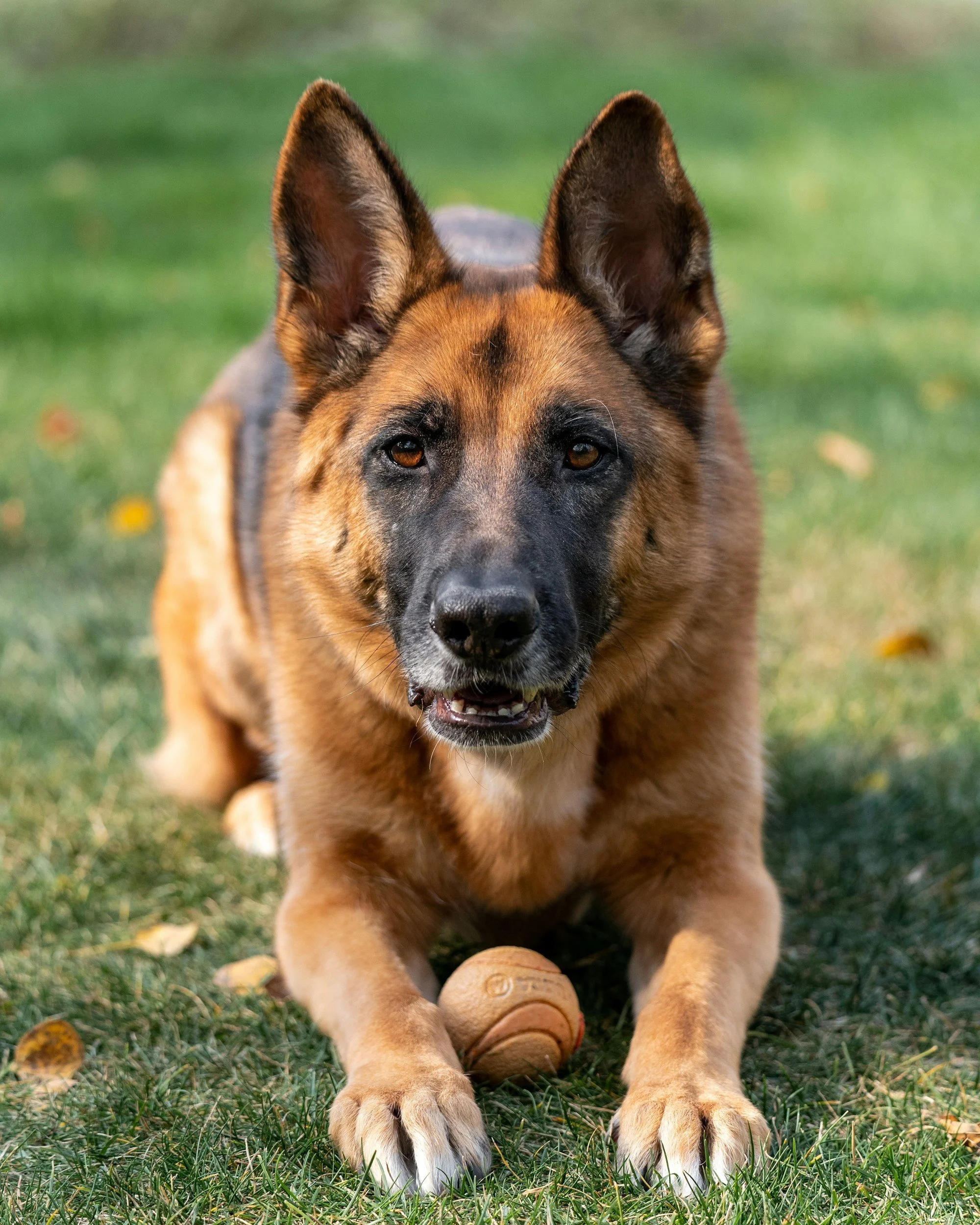
Pastoral breeds: Collies, shepherds and corgis, among many others! These dogs were bred to move and guard livestock, they are typically intelligent, high-energy and resilient dogs.
Terrier breeds. From bull breeds to border terriers with many in between. Terriers were bred to hunt vermin and are usually energetic and tenacious.
Hound breeds. Greyhounds, beagles, dachshunds and Rhodesian ridgebacks, to name a few. These breeds excel at hunting by sight or smell.
Utility breeds. A diverse group of breeds, including Dalmatians, poodles, Shih Tuz, Tibetan terriers and Akitas. They all share the common factor that they were bred to perform a particular ‘job’.
Toy breeds. Cavalier King Charles spaniels, pugs and Maltese, for examples. Generally weighting under 10kg, these dogs have been bred primarily to be companions.
While every dog is an individual, breed influences behaviour — and that matters when choosing a puppy who will thrive with you.




Sourcing your puppy

So! Now you’ve an idea of what breed type may best suit your lifestyle, what are the important points to consider when heading out to choose your puppy? Unless you are acquiring your new puppy from a rehoming charity, the following laws apply to people selling puppies under six months of age:
The puppy should be sold from the place where it was bred.
The mother (dam) should be present.
Puppies cannot legally be sold before eight weeks of age
Lucy's Law came into force in Wales in 2021. The law bans third-party commercial sales of puppies and kittens under six months old.
In addition to Lucy’s Law, breeders producing 3 or more litters per year and selling one or more puppies must have a local council license. This license means the premises has been subject to inspections relating to welfare standards, accommodation and health.
Breeders may also be registered with the Royal Kennel Club. In addition to being licensed with their local council, breeders registered with Royal Kennel Club must:
Register both parent dogs with Royal Kennel Club
Adhere to age restrictions when breeding the female (over 12 months and under 8 years of age)
Undertake health testing specific to the breed
Provide enhanced welfare standards
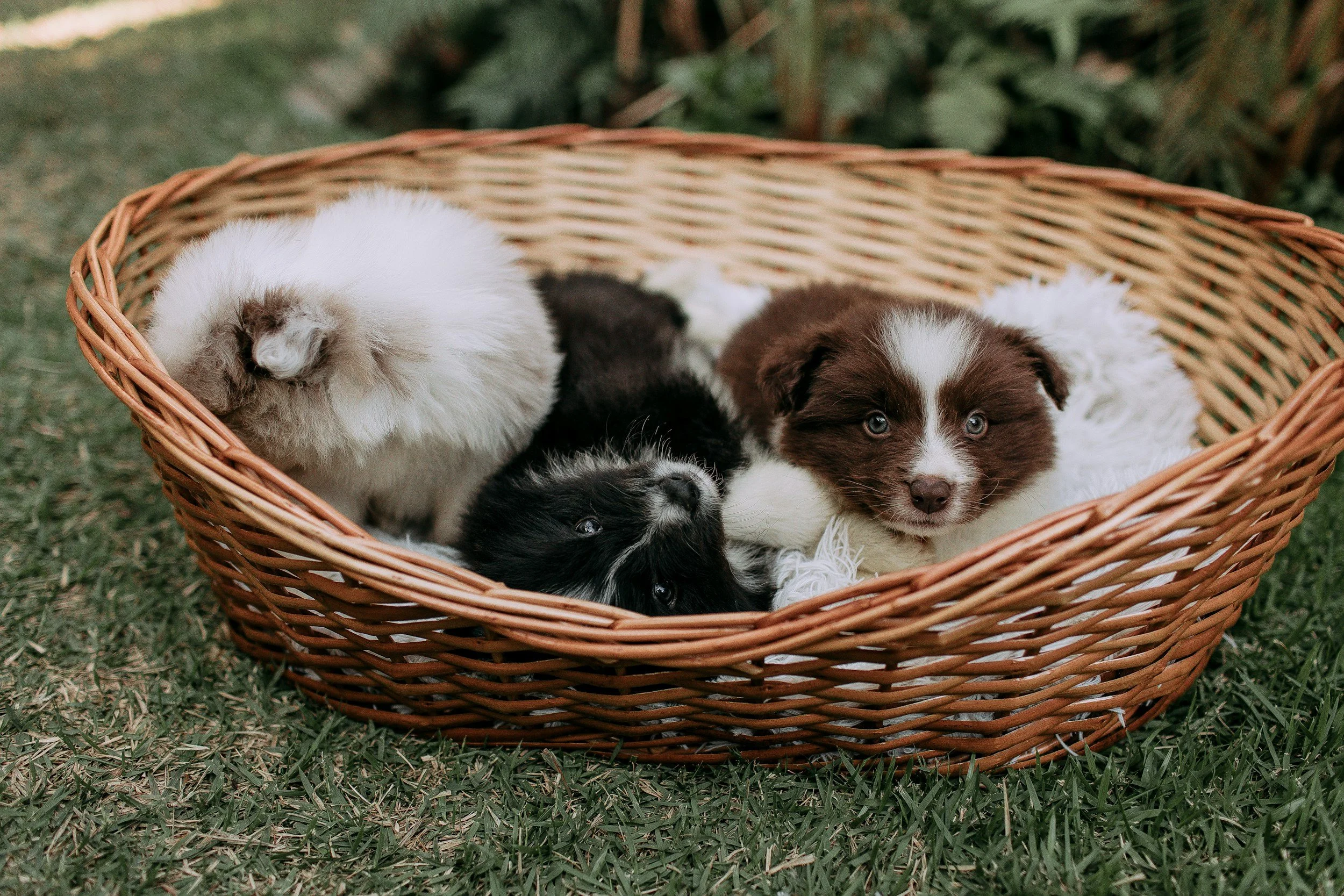
You do not need to source your new puppy from a council licensed or Royal Kennel Club registered breeder, but these measures can provide some assurances relating to the health of your puppy and welfare of the parents. I’ve seen some wonderfully happy and healthy puppies acquired from mating of family pets dogs, where parents have been appropriately health tested and high welfare home rearing environments are provided. Likewise, I’ve seen dogs acquired from Royal Kennel Club breeders develop health and behaviour struggles due to their early experiences with the breeder.
How to choose the right breeder, then? The following are some red flags to consider:
🚩 You’re asked to meet somewhere other than the breeder’s home. This relates to Lucy’s Law, and prevents you assessing the environment the puppy has been raised.
🚩 You cannot see the puppy with its mother. The temperament and behaviour of mum are important indicators of what you can expect from your puppy.
🚩 The seller has multiple breeds available at once. Are they a commercial breeder and are they council licensed? Are they breeding responsibly?
🚩 The breeder pushes for a quick sale. Ethical breeders want to find the right home for their puppy, not make a fast sale.
🚩 The puppy is advertised cheaply or below typical breed prices. Health testing and high welfare environments are expensive, these may be lacking if the puppy is ‘cheap’.
🚩 There are no questions asked about you or your lifestyle. Responsible breeders care where their puppies go, and want to ensure potential owners and their puppy succeed.
🚩 The environment looks dirty, overcrowded, or poorly managed. The environment should be clean and enriched, with puppies offered socialisation opportunities and human interaction.
🚩 Health records are missing or vague. Clear documentation of veterinary care, vaccinations (if appropriate), microchipping, and any relevant health testing should be freely available.
🚩 The puppy seems fearful, lethargic, or unwell. Puppies should be curious, responsive, and active when awake.
🚩 You’re discouraged from visiting again before taking the puppy home. Ethical breeders are usually happy for future owners to return and spend time with the litter.
Do your research! What are the common inherited health complaints of your preferred breed? What is the average price of a puppy of the breed? Where are you looking for adverts, would an ethical breeder advertise in that way?
If you head out to view a litter and are in any doubt about what you see or any of the information you have been provided, walk away. This may feel extraordinarily difficult, but it may save much heartache, vet and behaviour expenses in the future.